Cost Guide · 5 min read
How Much Does Drain Cleaning Cost in Broomfield, CO?
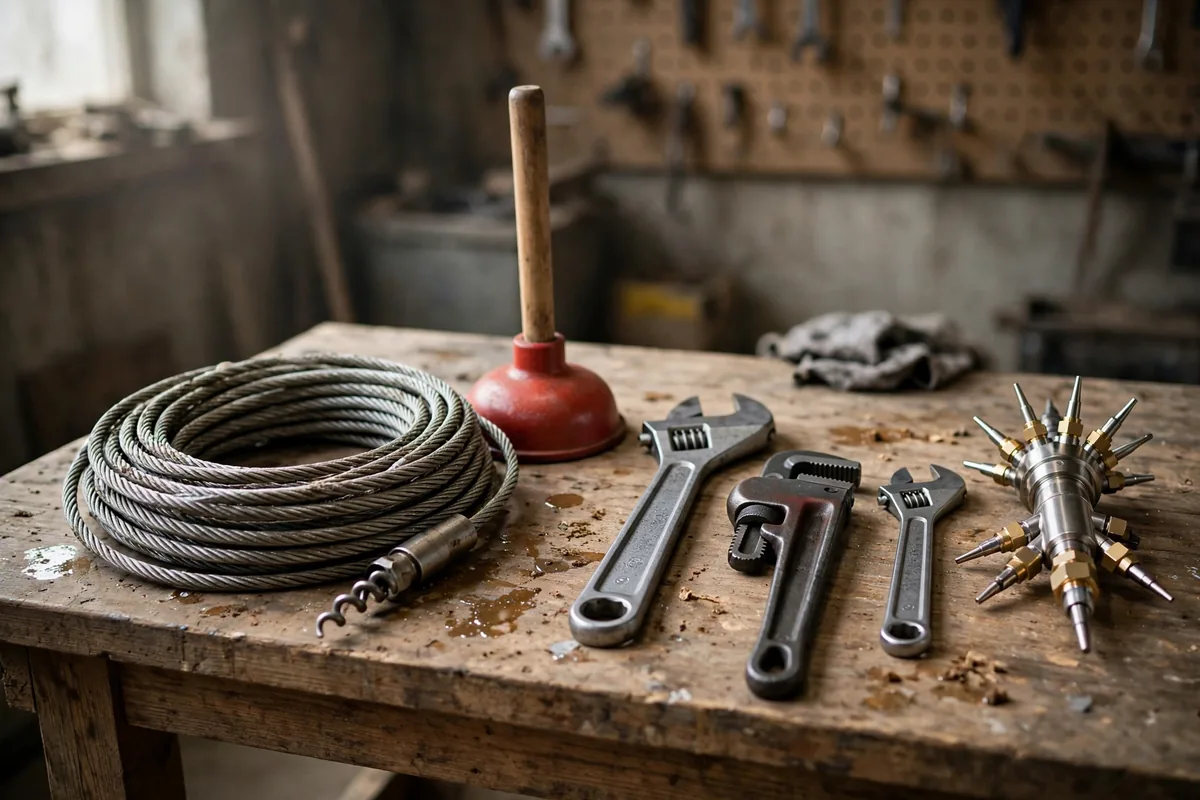
Drain cleaning is the most common plumbing call in Broomfield, and also the one with the widest gap between the price homeowners expect and the price the job actually needs. A single slow sink and a backed-up main line are both called drain problems, but they are different jobs with different equipment. This guide uses published Northern Colorado averages to set expectations, then explains what separates a simple clearing from a main-line job and when hydro jetting earns its higher price.
The short answer: Northern Colorado averages
Published Northern Colorado averages put simple drain cleaning at $150–$300, main line cleaning at $350–$1,000 or more, and hydro jetting at $500–$1,200. A simple job means one fixture — a bathroom sink, a tub, a kitchen line — cleared with a hand auger or a small machine cable. The main line is the large pipe that carries everything out of the house, and clearing it takes heavier equipment, more time, and often a camera check afterward to confirm the line is actually clear.
Those averages are regional, not a quote for your house. Your final price depends on which drain, how it is accessed, and what is causing the blockage. Grease and hair clear differently from tree roots, and a first-time blockage prices differently from the fourth blockage in the same line this year. A provider offering drain cleaning should be able to say which category your job falls into after a few questions and a look at the access point.
Simple drain vs main line: what is included
A simple drain call covers one fixture's branch line. The plumber cables from the fixture or a nearby cleanout, clears the obstruction, and tests flow with running water. Most bathroom clogs are hair and soap buildup a short distance in, which is why these jobs sit at the lower end of the range. Kitchen lines run longer and carry grease, so they take more passes and occasionally a larger machine.
Main line work starts at an exterior or basement cleanout and cables the full run to the city connection. Warning signs that the main line is the problem include several fixtures draining slowly at once, gurgling when a toilet flushes, or water backing up into the lowest tub or shower in the house. At that point, paying for a single-fixture clearing wastes money: the branch lines are fine, and the restriction is downstream of all of them. In older neighborhoods such as Broomfield Heights, main line calls also carry a higher chance of finding root intrusion or an aging pipe that needs more than cleaning.
Want a local provider to look at this in person?
Get Help 24/7 — (720) 731-0573Hydro jetting: when it is worth the extra
Hydro jetting uses high-pressure water to scour the inside of the pipe rather than simply punching a hole through a blockage. Cabling opens a path; jetting cleans the walls. That difference matters most for grease-heavy kitchen mains, lines with years of soft buildup, and restaurants-style use in a home kitchen where the same clog keeps reforming in the same place.
Jetting is not the right first step for every line. A fragile, damaged, or partially collapsed pipe should be inspected before high-pressure water goes through it, and a simple one-off clog rarely justifies the higher price. The honest sequence is: clear the line, camera it if the problem repeats, then decide whether jetting, repair, or nothing further is the smart spend. If a quote jumps straight to jetting with no explanation of what cabling found, ask why.
What raises or lowers the price
Access is the everyday factor. A clean, reachable cleanout keeps the job fast; a missing or buried cleanout, a toilet that must be pulled for access, or a roof-vent entry adds labor. Severity is the second factor: soft buildup clears quickly, while root masses and hardened grease take repeated passes and sometimes a second method. Timing is the third: a planned daytime visit costs less than an after-hours call for a drain that cannot wait, such as the only toilet in the house backing up.
Location inside the home matters as well. Second-floor branch lines, finished basements with limited access, and long runs without cleanouts all take longer to work on. Homes in Greenway Park and other older west-side areas more often present those access quirks than newer construction with modern cleanout placement. None of this is knowable to the dollar before the visit, which is why a range with a stated basis is more trustworthy than a single low number quoted blind.
Doing it yourself vs hiring a professional
A homeowner can reasonably handle a plunger, a hand-crank auger on a sink, and cleaning a trap or a pop-up stopper. Those steps solve a good share of single-fixture clogs. Chemical drain cleaners are the exception to the DIY list: they rarely clear a real obstruction, they can damage older pipe and finishes, and they leave caustic water sitting in the line for the next person who opens it. Our homepage answers the chemical cleaner safety question directly, and the short version is that mechanical clearing is safer for your pipes.
Renting a large cable machine is where DIY gets risky. A main-line machine can injure an inexperienced operator, damage a pipe if it binds, and still leave the root cause untouched because there is no camera to confirm the result. If the clog is in the main line, if it keeps returning, or if sewage is involved, the professional visit is the economical choice, not the extravagant one. Pay once for clearing plus evidence about the line's condition, and you stop paying repeatedly for the same symptom.
Prevention is the other side of the cost equation, and it is mostly free. Keep grease out of the kitchen drain by wiping pans into the trash before washing. Use hair catchers in tubs and showers, and empty them rather than pushing debris down. Keep wipes, cotton products, and anything labeled flushable out of toilets — they do not break down like toilet paper and are a recurring cause of main line calls. None of these habits eliminates blockages entirely, especially in older lines, but they stretch the interval between professional visits, and every avoided call is the full price of that call saved.
Frequently asked questions
How often should drains be professionally cleaned?
Most homes need professional cleaning only when symptoms appear: slow drainage, gurgling, or recurring clogs. Homes with a known root-prone or grease-prone main line sometimes schedule preventive cleaning every one to two years, which is cheaper than emergency calls. If you are cleaning the same drain several times a year, ask for a camera inspection instead of another clearing.
Can I rent a drain machine instead of hiring a plumber?
You can, but weigh the full cost: rental fees, your time, the risk of injury from a large cable machine, and the chance of damaging older pipe. Rental also comes with no camera verification, so you cannot confirm the line is fully clear. For a single branch drain it can make sense; for a main line, professional service is usually the safer value.
Why does my drain keep clogging after cleaning?
Repeat clogs usually mean the underlying cause is still there: grease coating the pipe walls, a belly where waste settles, root intrusion at a joint, or a damaged section catching debris. Cabling restores flow without removing those causes. A camera inspection identifies which one you have, so the next spend fixes the problem rather than the symptom.
Need a plumber in Broomfield?
Tell us what is going on and we will connect you with an independent local plumbing provider who can help.
Get Help 24/7 — (720) 731-0573